Pre-wedding rituals hold deep cultural and emotional significance, marking the joyous journey leading up to the wedding day. These ceremonies not only celebrate the union of two individuals but also bring families together in love, laughter, and tradition. Each ritual carries symbolic meaning, representing blessings, purity, and the beginning of a new chapter in life.
The sequence of pre-wedding rituals varies across cultures, but many share common themes of preparation, purification, and celebration. One of the most cherished ceremonies is the engagement, where the couple formally announces their intention to marry and exchanges rings or gifts. This event often sets the tone for the festivities that follow. The mehendi or henna ceremony is another vibrant tradition, where intricate designs are applied to the bride’s hands and feet, symbolizing beauty, joy, and prosperity. It is usually accompanied by music, dance, and colorful attire, creating a lively and festive atmosphere.
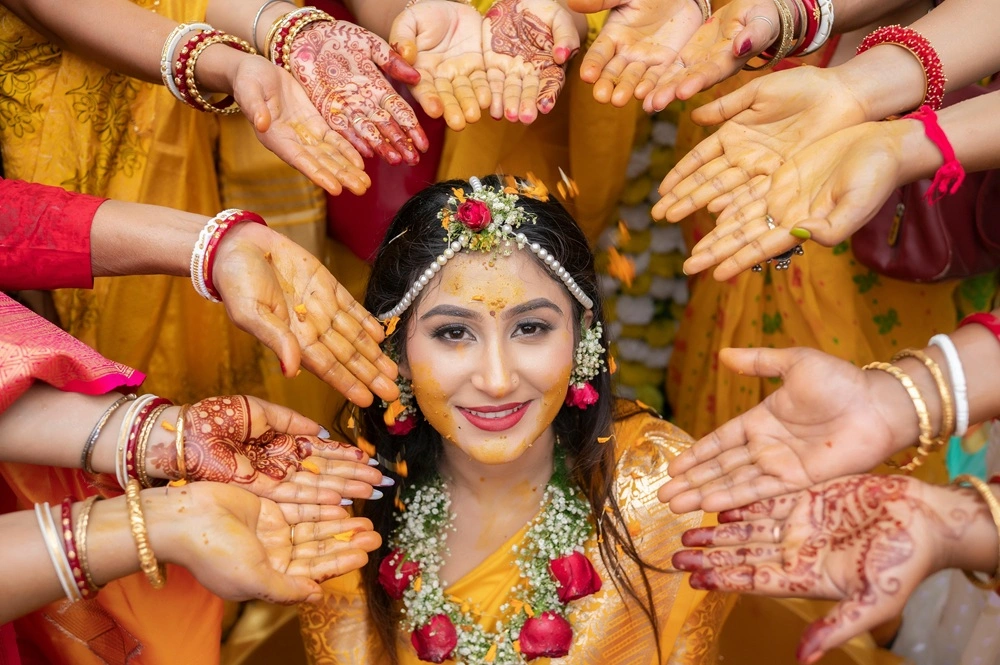
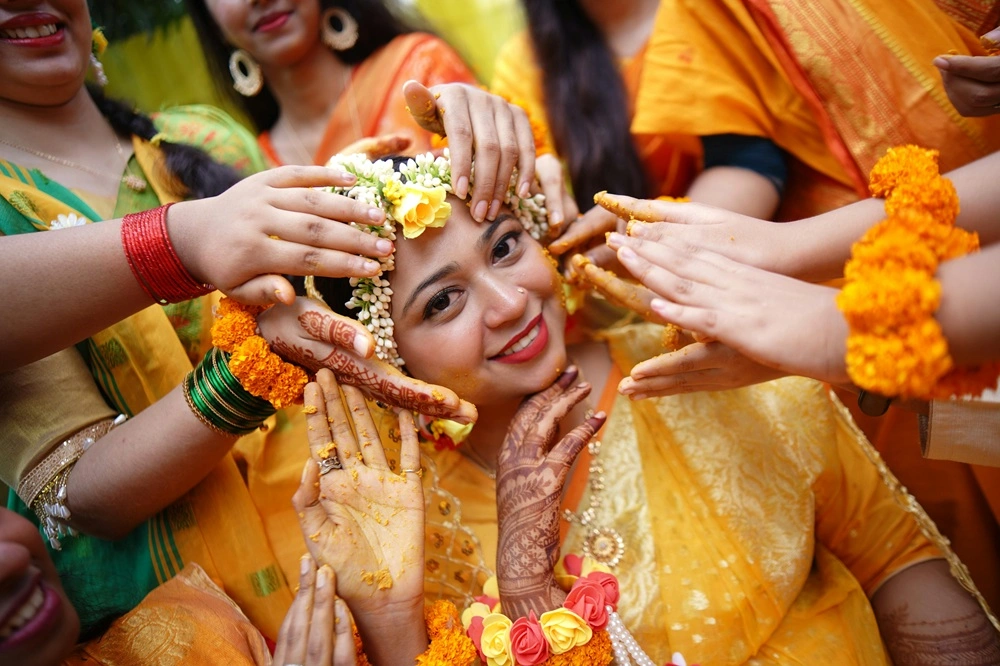
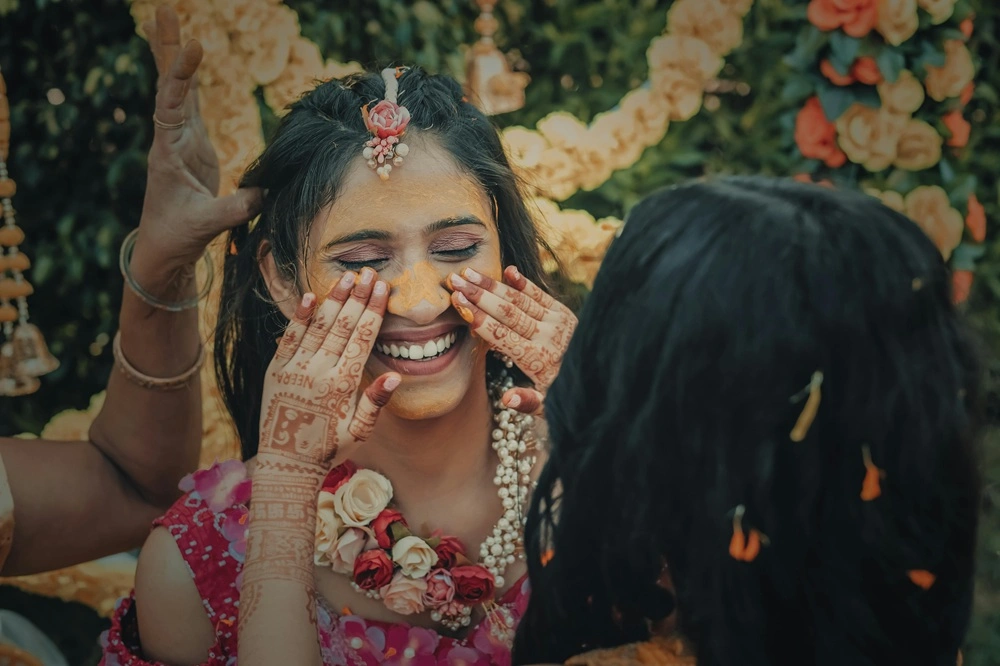
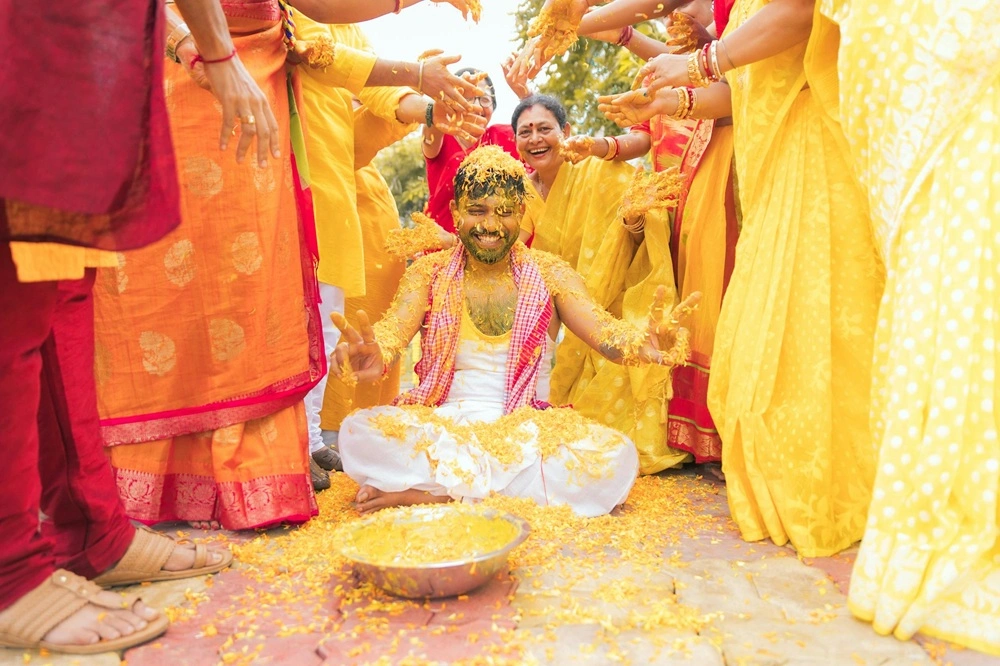
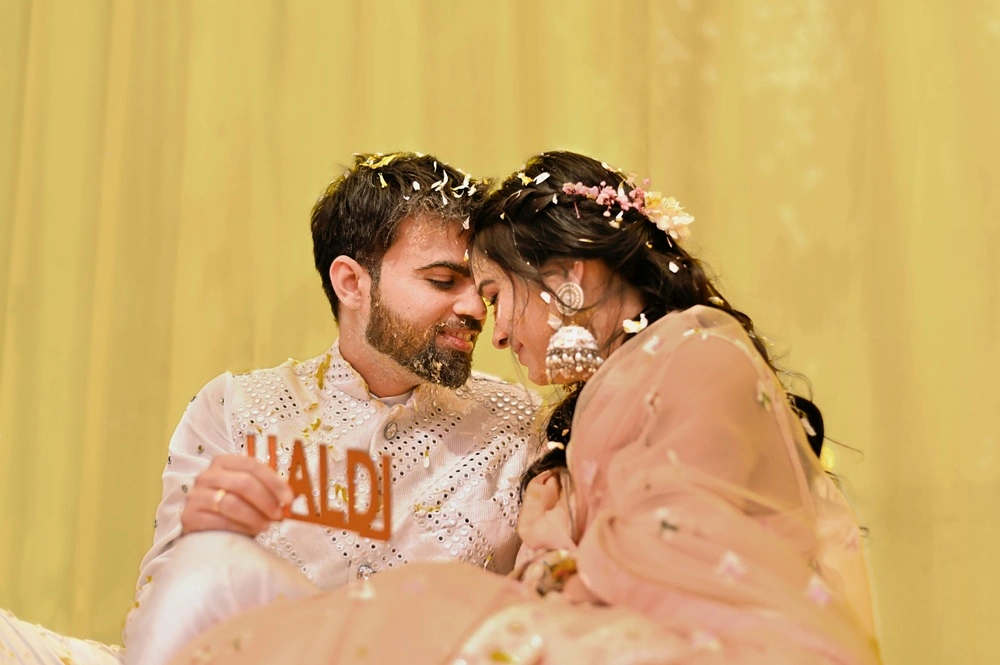
The haldi ceremony, in which a turmeric paste is applied to the bride and groom, is believed to purify the body and soul while bringing a natural glow before the wedding. This ritual is filled with laughter and blessings as family members participate in the joyous occasion. Other customs, such as sangeet nights or rehearsal dinners, allow both families to bond through music, dance, and shared celebration.
Pre-wedding rituals also serve as a time for reflection and emotional connection. They honor family traditions, strengthen relationships, and prepare the couple for their new life together. Each ceremony, whether grand or intimate, adds layers of meaning to the wedding journey. Beyond their cultural roots, these rituals embody love, unity, and the anticipation of a lifelong partnership, making the days leading up to the wedding as memorable and significant as the wedding itself.